What Does a Week of Kayaking, Birding, and Hiking Do for a Kid? LLELA's Summer Camp Has an Answer
LLELA's Wild About summer day camp gives Lewisville kids ages 7–12 hands-on time in nature across three June sessions.
LLELA's Wild About summer day camp gives Lewisville kids ages 7–12 hands-on time in nature across three June sessions.
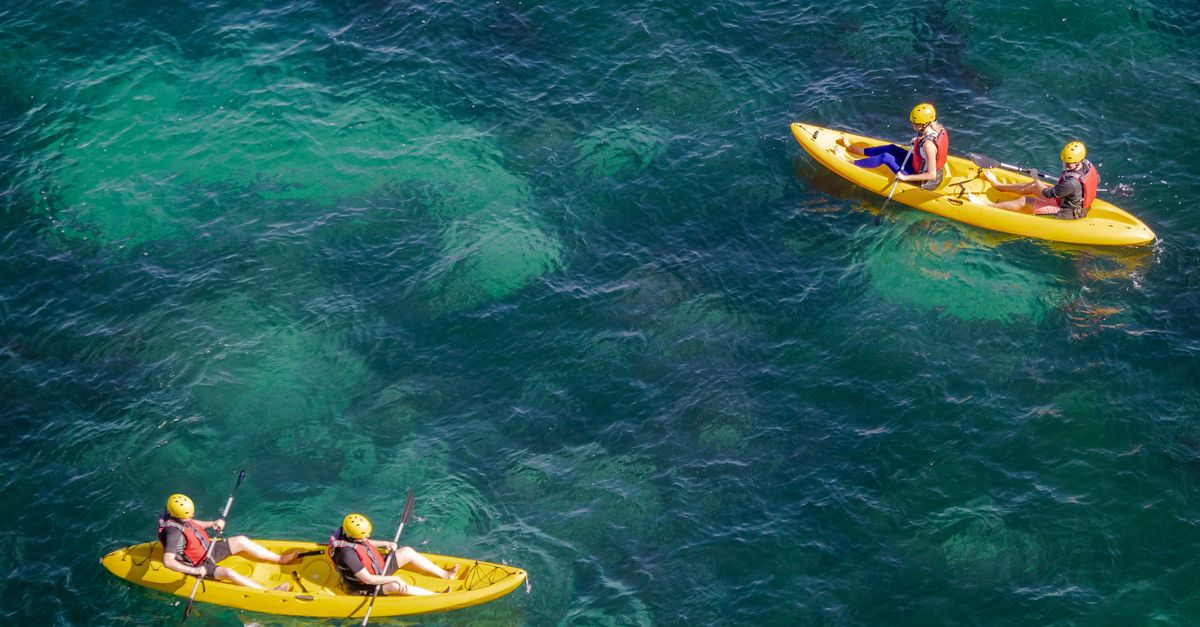
Most summer camps offer a pool, a gym, and a schedule built around keeping children occupied. The Lewisville Lake Environmental Learning Area is doing something structurally different. Its Wild About LLELA program plants children ages 7 through 12 inside a working nature preserve for five consecutive days and builds the curriculum around what is actually living there — the birds, the water, the trails, the flora underfoot.
Two back-to-back sessions are running in June 2026. Session 2 runs June 8 through 12, and Session 3 follows immediately the week of June 15 through 19. Both are held at the Lewisville Lake Environmental Learning Area at 201 E. Jones St., the 2,000-plus-acre preserve that sits along the southern edge of Lewisville Lake. That geography is not incidental. It is the program.
The camp’s core activities are hiking, birding, and kayaking. Each of those words carries more weight than it might appear to in a brochure.
Hiking in this context means moving through the LLELA preserve’s trail network — terrain that includes bottomland hardwood forest, grassland, and shoreline habitat. It is not a paved loop around a park. The preserve’s landscape is varied enough that participants are likely to encounter meaningfully different environments across a week’s worth of outings.
Birding is a skill-based activity that requires patience and sustained attention, two things that are genuinely difficult to teach in a classroom. LLELA has documented a substantial list of bird species within its boundaries, which makes the preserve a functional outdoor laboratory rather than a backdrop. Teaching a child to identify a species by silhouette, call, or behavior — and to do it in the field, not from a worksheet — is a different kind of learning than most summer programming offers.
Kayaking introduces a layer of physical engagement and environmental context that neither hiking nor birding provides on its own. Being on the water, in a boat, at the edge of Lewisville Lake, gives participants a perspective on the ecosystem that cannot be replicated from shore.
The program is designed for children ages 7 through 12 — a span that covers roughly second grade through sixth grade. That range suggests the camp is structured to accommodate a meaningful difference in physical and cognitive development. A seven-year-old and a twelve-year-old do not experience a kayak or a trail the same way, and a program that serves both well requires real intentionality in how activities are scaffolded.
The fact that LLELA runs consecutive weekly sessions — back to back in June — also raises a practical question for families: are the sessions designed to be interchangeable, or is there value in attending more than one? The camp’s framing around exploring the preserve’s flora and fauna implies that the content is rich enough to sustain repeat visits, given how much a preserve of this scale can offer across two different weeks.
LLELA is not a park with a nature theme. It is a designated environmental learning area, which means its institutional purpose is educational engagement with the natural environment. That distinction matters for understanding why the Wild About camp is structured the way it is.
The preserve’s location along Lewisville Lake gives it access to aquatic, wetland, and upland habitats within a relatively compact geography. For a five-day camp, that density of habitat types allows for significant variation in daily programming without requiring travel to multiple sites. Children can hike through a forest in the morning and kayak on open water in the afternoon.
This kind of immersive, site-specific programming is not easy to replicate in a general recreation center setting. The preserve itself is doing pedagogical work that no amount of indoor curriculum can substitute for.
The structure of Wild About LLELA is, whether intentionally framed this way or not, a direct counterargument to the dominant pattern of children’s summer activity in 2026. An active outdoor day camp that asks children to pay attention to birds, paddle a kayak, and navigate a trail is operating in deliberate contrast to the passive, screen-centered summers that have become common across most of the country.
That is not a minor selling point. Research on childhood development has increasingly emphasized the cognitive and emotional benefits of unstructured and semi-structured time in natural environments. LLELA’s program offers a structured version of that exposure — guided enough to ensure safety and educational depth, open enough that the preserve itself can surprise participants.
The Wild About sessions are not the only city-connected programming that points children toward LLELA this summer. Camp PLAY, the city’s broader weekly summer camp program operating out of Thrive at 1950 S. Valley Parkway, has a scheduled field trip to LLELA during its Week 5 on June 23. That crossover suggests LLELA functions as a shared destination for Lewisville’s summer youth infrastructure — not a standalone program but a resource the city’s various departments treat as a place worth sending kids.
For families considering which summer programs to prioritize, that overlap is worth noting. A child who attends Wild About LLELA in June and then visits again on a Camp PLAY field trip later in the month will be coming back to a place they already have some context for — which changes the nature of the second visit in useful ways.
The five-day format of Wild About LLELA is worth dwelling on. A single-day nature outing can be memorable. A full week builds something closer to familiarity — with a place, with specific skills, and with the habits of attention that outdoor learning requires. By the end of a week of birding the same preserve, a child has a relationship with that landscape that a one-time visit cannot produce.
For Lewisville families, that means the Wild About program is offering something qualitatively different from a field trip or a weekend festival. It is asking for a week of a child’s summer in exchange for a sustained, place-based experience in one of the more ecologically significant sites in Denton County. Given the access, the programming, and the setting, that appears to be a reasonable trade.
Restaurant reviews, events, and local news from Lewisville, delivered weekly.
The week's top local news & events, free in your inbox. No spam — unsubscribe anytime.


