2,000 Acres, Free Guided Kayaks, and a Living Laboratory: What LLELA Offers Lewisville This Summer
The Lewisville Lake Environmental Learning Area offers guided nature walks, kayak tours, and wildlife observation free of charge this July.
The Lewisville Lake Environmental Learning Area offers guided nature walks, kayak tours, and wildlife observation free of charge this July.
Most Lewisville residents who spend time on Lake Lewisville know the reservoir itself — the marinas, the boat launches, the July afternoons on the water. Fewer make the short drive to what sits directly below the dam: the Lewisville Lake Environmental Learning Area, known locally as LLELA, a 2,000-acre preserve managed as a working outdoor classroom and wildlife corridor along the Elm Fork of the Trinity River.
The scale matters. Two thousand acres places LLELA in a category well beyond the typical municipal greenspace. It encompasses floodplain forest, native prairie remnants, riparian corridors, and open water features — all of it threaded with trails and accessible to the public. The preserve’s own characterization of itself as a “living laboratory” is not marketing language so much as an operational description: LLELA functions as a site for environmental education, ecological research, and hands-on outdoor skill-building, not just passive recreation.
This July, the preserve is offering guided nature walks, kayak tours on the Elm Fork, wildlife observation programming, and outdoor skills workshops, with those activities available free of charge.
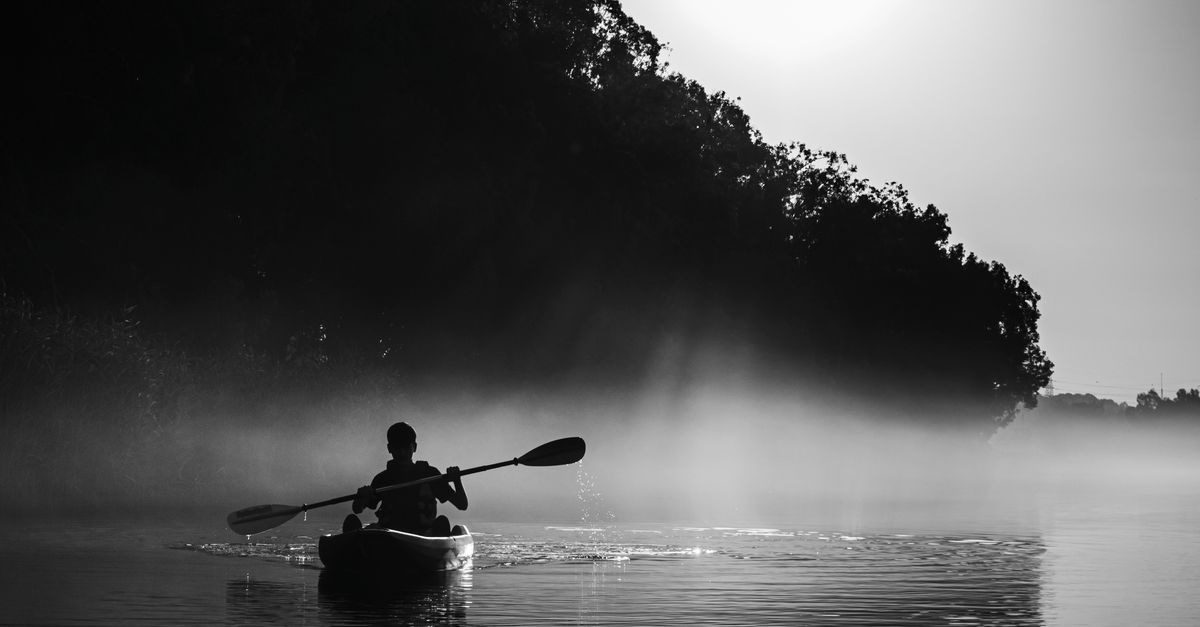
Paddling on Lake Lewisville proper means open water — wind, motorized boat traffic, and the broad expanse that makes the reservoir one of the most popular in North Texas. Kayaking the Elm Fork inside LLELA is a categorically different experience. The river corridor through the preserve moves at the pace of a low-gradient stream rather than an open lake, placing paddlers inside a canopied riparian environment where the wildlife encounter rate is measurably higher than on open water.
The Elm Fork through this section of the preserve runs below the Lewisville Lake dam, which means water levels are regulated and the character of the paddling is more consistent than a free-flowing tributary subject to heavy rain variability. For families introducing younger children to kayaking, or for adults who want a quieter paddle without the navigation demands of the main reservoir, the LLELA corridor offers a practical and ecologically rich alternative that is available within Lewisville’s own boundaries.
The kayak tours offered through the preserve are guided, which adds a layer of interpretive value that self-guided paddling cannot replicate. A guide who knows the riparian zones along that stretch of the Elm Fork can identify species, point out nesting activity, and explain the ecological relationship between the dam, the floodplain, and the wildlife that depends on both. That kind of contextual knowledge transforms a paddle from recreation into something closer to field education.
The trail system within LLELA traverses habitats that shift considerably across the preserve’s footprint. A walk that begins in open prairie grassland may transition into bottomland hardwood forest within a relatively short distance — a juxtaposition that reflects the ecological complexity of the Elm Fork floodplain and the management decisions the preserve has made to restore and maintain native plant communities.
For wildlife observation specifically, LLELA’s position along the Elm Fork corridor places it within a migratory pathway that gives the site value well beyond its acreage. Birders familiar with the North Texas region recognize the Trinity River system as one of the more productive inland corridors in the state, and the bottomland forest patches within LLELA function as stopover and breeding habitat for species that do not regularly appear in the more developed areas of Lewisville.
Guided walks here do what self-guided recreation rarely achieves: they slow the pace, direct attention to detail, and convert a landscape that might read as undifferentiated green space into a legible ecological story. For residents who have lived near this preserve for years without ever entering it, a guided walk in July represents a low-barrier entry point to a resource that is, in practical terms, already part of the community.
The “living laboratory” designation carries an implication that LLELA is primarily for school groups and researchers, and that use case is genuinely part of the preserve’s mission. But the free public programming — walks, kayak tours, workshops — signals that the preserve is actively trying to reach beyond institutional visitors to everyday Lewisville residents.
The free-of-charge structure for these guided activities matters practically. A family of four evaluating summer options in July is weighing cost alongside logistics, and the absence of a fee removes one of the more common friction points that keeps residents from exploring public natural areas they nominally know exist. The preserve is physically within Lewisville, sits below a dam that every Lake Lewisville boater has passed, and operates programs at no cost — yet it remains underutilized relative to its scale and offering.
The outdoor skills workshop component of July’s programming extends the preserve’s usefulness to residents who are looking for structured learning rather than just guided observation. The specific skills covered in those workshops are not enumerated in detail in the preserve’s public materials, but the framing around a “living laboratory” suggests the workshops engage participants with the landscape directly rather than presenting information in a lecture format.
Some of LLELA’s July activities require advance registration, and the preserve’s event calendar is rendered through a JavaScript-dependent interface that is best navigated directly at the preserve’s official site. Confirming specific dates, registration requirements, and meeting points at llela.org before visiting is the practical first step — particularly for the kayak tours, where equipment logistics and group size considerations make spontaneous participation less reliable than for the walking programs.
The preserve is located in Lewisville near the Lake Lewisville dam, and its position within the Elm Fork floodplain means that summer conditions — heat, mosquito activity in riparian zones, and ground saturation after rain — are worth factoring into timing. Early morning programming, where it is available, uses the July temperature window considerably better than midday visits.
For a city with a large reservoir as one of its defining geographic features, the existence of a 2,000-acre free public preserve along the river below that reservoir is an asset that the community has not fully absorbed into its collective sense of what Lewisville offers. July’s guided programming at LLELA is a concrete opportunity to close that gap.
Restaurant reviews, events, and local news from Lewisville, delivered weekly.
The week's top local news & events, free in your inbox. No spam — unsubscribe anytime.


